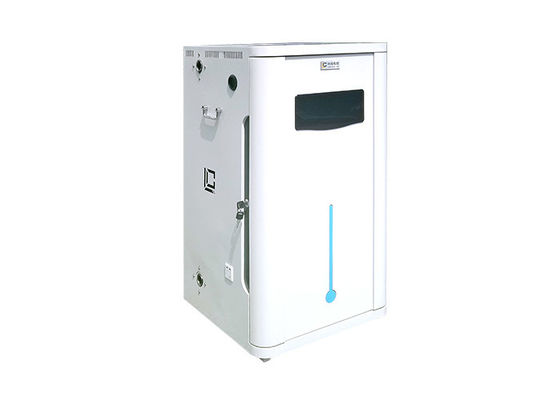
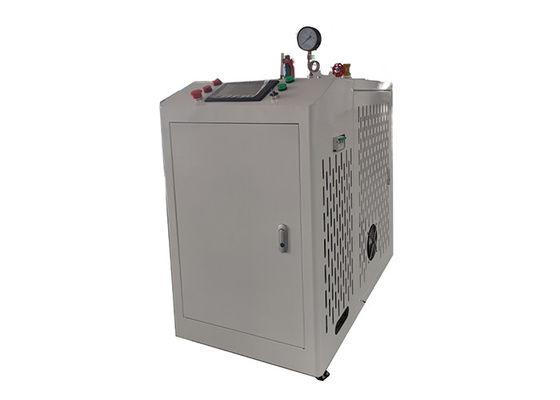
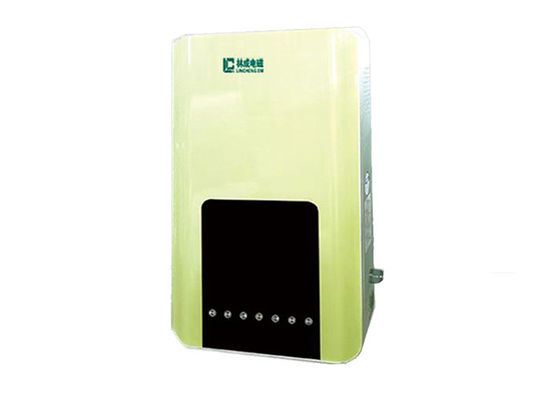
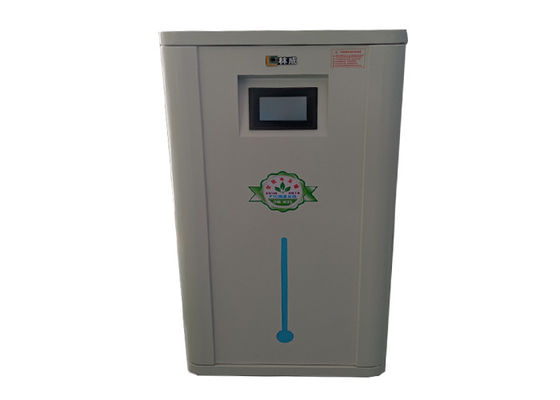
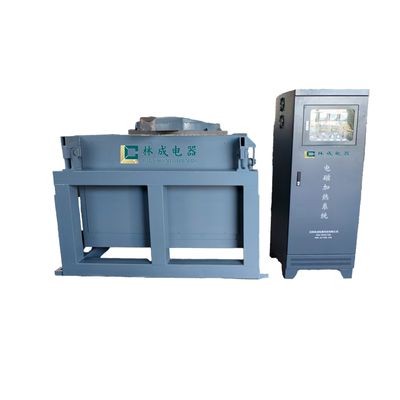
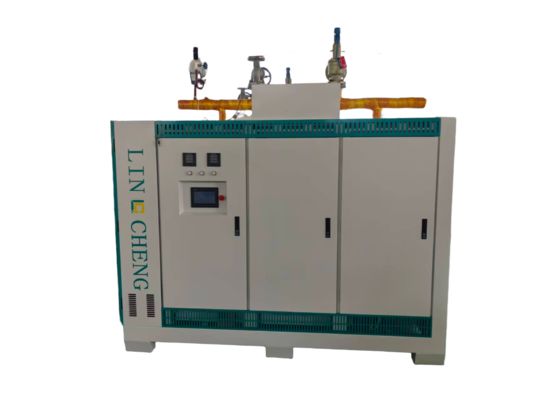
Nell'era odierna, focalizzata sull'alta efficienza, il risparmio energetico e la protezione ambientale a basse emissioni di carbonio, le caldaie elettromagnetiche stanno rapidamente diventando una scelta popolare per il riscaldamento residenziale e le applicazioni termiche industriali. Tuttavia, molte persone hanno ancora domande sul loro funzionamento, sui loro vantaggi e sulle loro applicazioni. Oggi, esploreremo in modo completo cos'è una caldaia elettromagnetica attraverso 3 risposte autorevoli, 2 punti essenziali e 4 fatti sorprendenti, condividendo al contempo guide pratiche e idee sbagliate comuni.
Una caldaia elettromagnetica è un dispositivo che converte l'energia elettrica in energia termica utilizzando il principio dell'induzione elettromagnetica. Genera un campo magnetico alternato attraverso corrente alternata (CA) ad alta frequenza, inducendo correnti parassite all'interno di un tubo o contenitore metallico, riscaldando così direttamente l'acqua o un altro mezzo. A differenza delle caldaie a resistenza tradizionali, le caldaie elettromagnetiche hanno una maggiore efficienza termica, un minore consumo energetico e non richiedono alcun processo di combustione, raggiungendo zero emissioni reali.
In poche parole, il funzionamento di una caldaia elettromagnetica prevede tre passaggi:
- Ingresso di energia elettrica: L'alimentazione CA viene convertita in corrente ad alta frequenza dal sistema di controllo.
- Generazione del campo magnetico: La corrente ad alta frequenza che passa attraverso una bobina genera un campo magnetico che si alterna rapidamente.
- Riscaldamento a correnti parassite: Il campo magnetico agisce sul tubo metallico, inducendo correnti parassite che fanno riscaldare il tubo stesso e trasferire quel calore all'acqua.
Questo metodo di riscaldamento diretto evita perdite energetiche intermedie, raggiungendo efficienze termiche superiori al 98% (Fonte: China Electrical Equipment Industry Association, Rapporto 2023).
In base agli scenari applicativi, le caldaie elettromagnetiche sono classificate come residenziali, commerciali o industriali. I tipi residenziali vanno tipicamente da 5 a 20 kW per il riscaldamento e l'acqua calda. I tipi industriali possono raggiungere diverse centinaia di kW per grandi impianti o il riscaldamento delle linee di produzione. Contrariamente all'intuito, le caldaie elettromagnetiche non sono solo per il riscaldamento; possono anche integrarsi con sistemi di energia solare o eolica per la sinergia multi-energia, migliorando l'efficienza energetica complessiva.
Per un confronto più chiaro, ecco una tabella semplice: